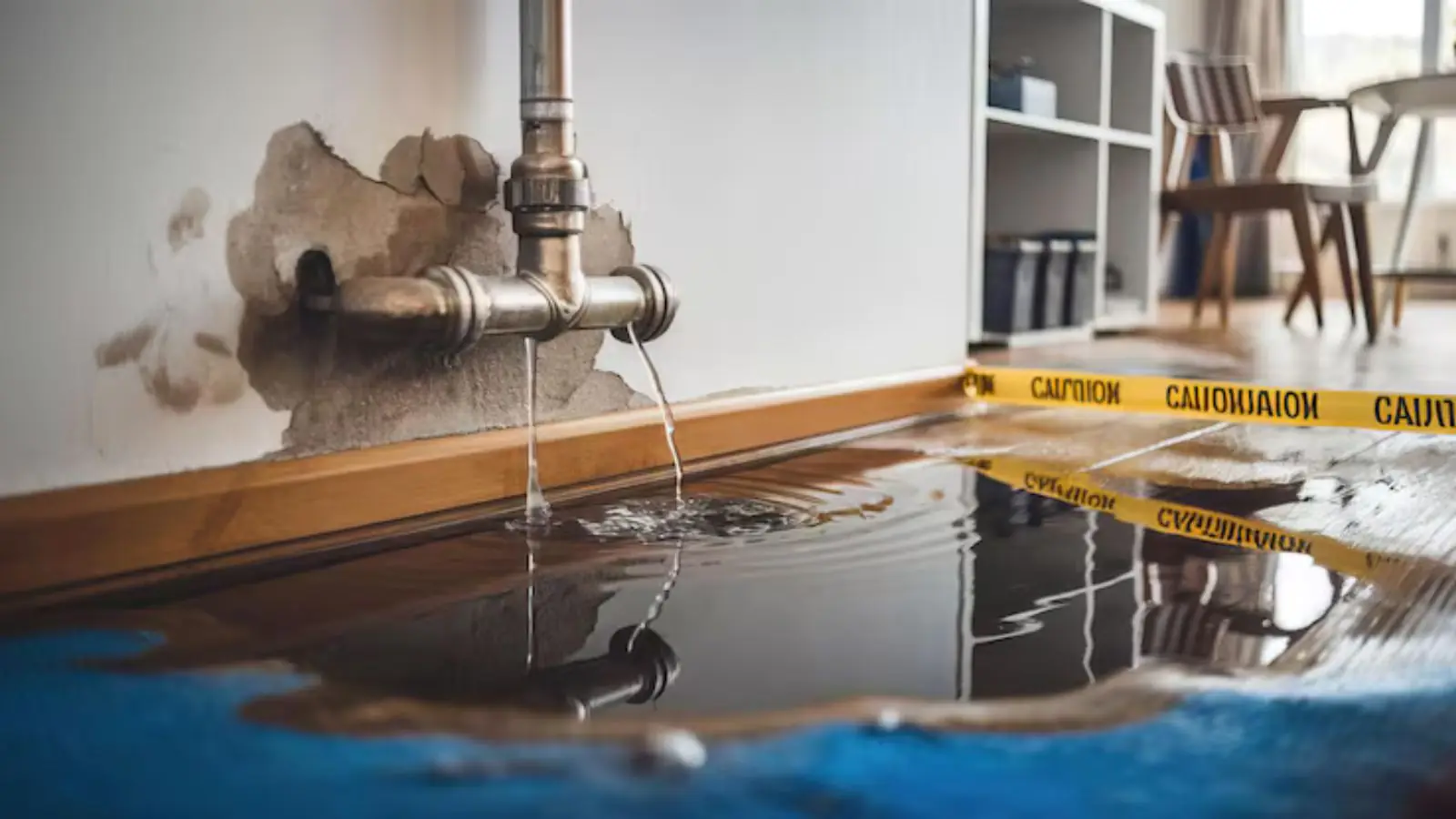
A leak does not wait for business hours, and our dispatch line at (817) 623-9267 is open 24/7 for emergency water mitigation in Southlake, TX. While you wait for a crew, close the main water valve, lift valuables off wet floors, and keep people and pets out of any water that might be contaminated. Turn off power to wet areas only if you can reach the panel without stepping in water.
Water mitigation is the work done in the first 24 to 72 hours to stop water from spreading and to start drying the structure. It is the stage that decides whether you end up with a wet carpet or a gutted wall. Everything after it, from cleanup to rebuilding and repair, depends on how well this stage goes.
Wet drywall, a musty smell, soft baseboards, or carpet that squishes?
Those four signs mean water has gone past the visible spill. Drywall that feels cool and damp is wicking moisture up from a wet floor line. Baseboards that have gone soft are holding water against the wall. Carpet that squishes means the pad underneath is saturated, and a musty smell tells you the cavity behind the wall is staying wet.
The trade name for the fix is water mitigation. Crews stop the source, find every wet surface with moisture meters and thermal imaging cameras, pull out standing water, and set drying equipment before the damage travels. A thermal camera shows cold patches that often mark wet insulation, and a meter then confirms the reading inside the material itself.
That pairing replaces guessing. It keeps crews from cutting open walls that are actually dry, and it keeps them from leaving wet framing behind a wall that only looks fine.
Water is still spreading through your home right now
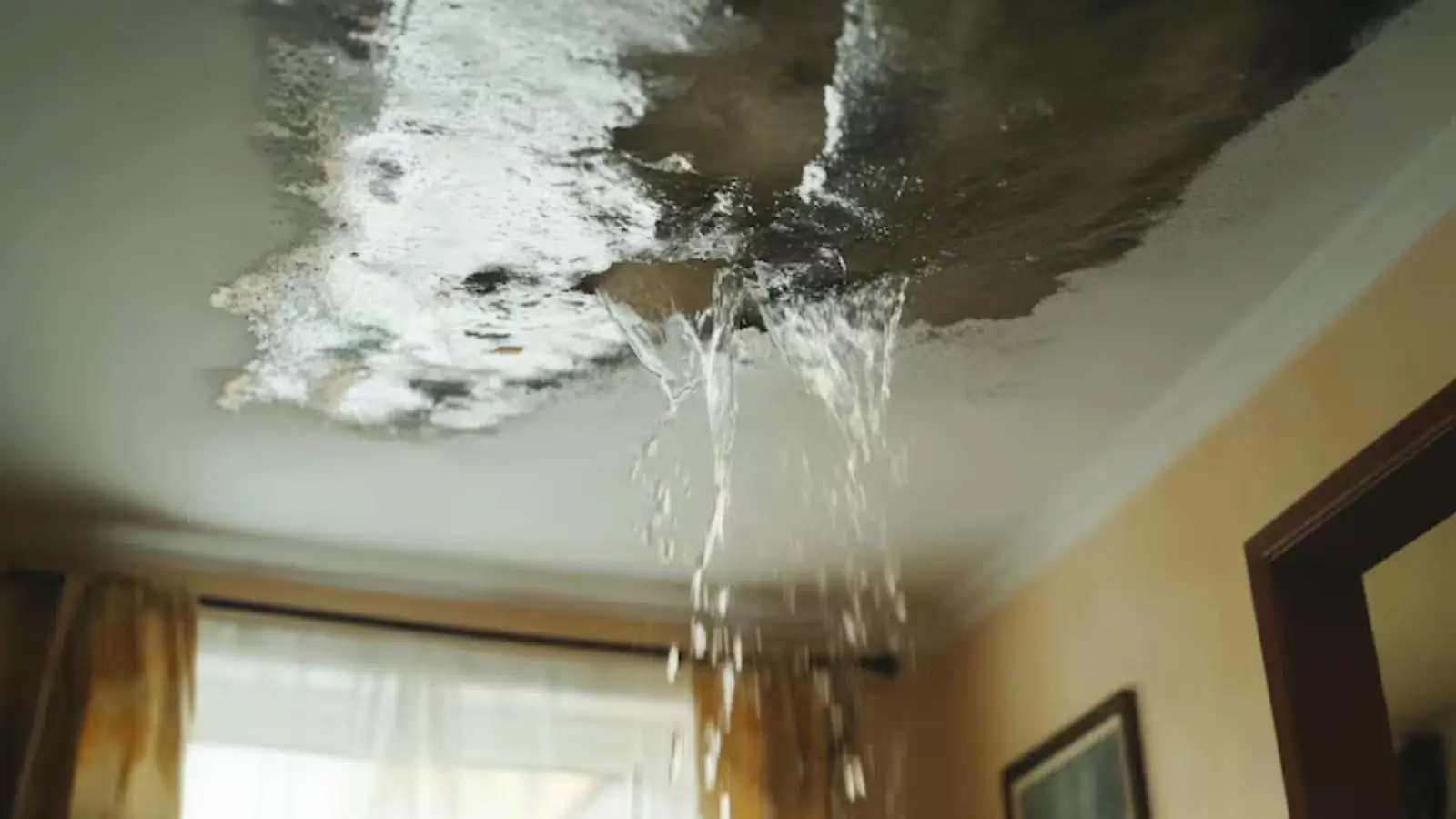
Water travels. It runs under flooring, into wall cavities, and down through ceilings into the room below. The Texas Department of Insurance notes that mold can start growing within a day after a leak, so the first 24 hours set the size of the whole job.
Typical starting points include an upstairs toilet leak that stains the ceiling below, a washer supply valve that fails while no one is home, and an AC condensate line that backs up and cups hardwood. The first move is the same each time. Stop the source, then call dispatch so drying can begin.
- Close the main water shut-off valve, or the fixture valve if the leak is local.
- Switch off power to wet rooms only if the panel is dry and easy to reach.
- Lift rugs, electronics, and small furniture off wet floors.
- Take photos or video of the damage before anything gets moved.
- Keep people and pets out of water that may be contaminated.
Electrical and sewage risk before anyone steps in
If you smell gas, see sparking outlets, or find water around the electrical panel, leave the house and call 911 or the utility before you call us. Water and live circuits do not mix, and no belongings are worth the risk.
Raw sewage from a lower-level drain is a different situation. Stay out of that water, keep children and pets away, and tell dispatch when you call so the crew arrives with the right containment plan.
What the first 24 to 72 hours look like
Mitigation runs on a clock. Day one is for stopping the source, mapping moisture, and starting extraction. Days two and three are for tuning the drying setup against the readings, so the equipment matches what the building is actually doing.
| Step | What crews do | What it prevents |
|---|---|---|
| Stop the source | Close valves, isolate the failed line or fixture | More water entering the structure |
| Moisture mapping | Meters and thermal imaging across floors, walls, ceilings | Hidden wet spots left behind |
| Extraction | Pumps and extraction units remove standing water | Water soaking deeper into materials |
| Drying setup | Air movers and LGR dehumidifiers placed by the readings | Swelling, warping, early mold growth |
| Daily monitoring | Moisture readings logged at each visit | Equipment pulled before materials are dry |
Structural drying
Structural drying is the longest part of mitigation, and it is more than running fans. Air movers push dry air across wet surfaces so moisture leaves the material. LGR dehumidifiers, short for low grain refrigerant units, pull that moisture out of the air so it cannot settle back into drywall, framing, or subfloor. The two work as a pair, and neither one dries a house alone.
Crews take moisture readings on day one and again at each visit. They compare every reading to a dry reference, which is a reading from the same material in an unaffected part of the home. Drying continues until the wet materials match that reference, not until the room simply feels dry. Pulling equipment early is how hidden dampness ends up behind a freshly painted wall.
Dense materials such as hardwood, framing, and subfloor release water more slowly than drywall, so equipment gets moved, added, or removed as the numbers change. ANSI/IICRC S500 is the published industry standard for this work, and you can ask any company whether its crews work to it.
Commercial and multi-unit leaks near Town Square
If you lease space near Southlake Town Square, at State Highway 114 and Southlake Boulevard, tell dispatch your suite number and the nearest cross street so a crew can find the right entrance and loading area. Notify your property manager right away too, because a shared wall or ceiling can mean the leak starts in a neighboring unit.
The same process applies to homes in nearby towns. Crews working a call in Grapevine start with the same shut-off, moisture map, and drying plan.
What shapes the cost of water mitigation
Scope and price are explained before work starts, and the real number depends on a handful of factors. We do not quote prices on a web page because two leaks that look alike can dry very differently.
| Cost factor | Why it matters |
|---|---|
| Water category (1, 2, or 3) | Contaminated water means more material removal and more protective steps |
| Size of the affected area | More square footage and more rooms means more extraction and more equipment |
| Materials involved | Carpet, hardwood, drywall, and insulation each dry differently |
| Drying days and equipment | Heavier saturation needs more air movers and dehumidifiers for longer |
| Rebuild scope | Whatever must be removed becomes repair work later |
On insurance, the Texas Department of Insurance says most homeowner and renter policies cover sudden and accidental water damage, such as a burst pipe or a broken washer hose. Gradual leaks and seepage usually are not covered, and a home policy does not cover floods. Check your own policy and ask your insurer, since we cannot promise approval of any claim.
Want your real number? Call (817) 623-9267.
Mitigation, cleanup, or extraction: which stage are you in?
Most calls start in the wrong place on the timeline. Use this to match what you see to the right stage, and call either way if you are unsure.
| What you see | Stage | Where it is covered |
|---|---|---|
| Inches of water standing on the floor | Extraction | Emergency water extraction |
| Water gone, walls and floors still damp | Mitigation and drying | This page |
| Soaked pad, debris, and unsalvageable materials | Cleanup | Water damage cleanup |
| Dry building, open walls, missing materials | Repair | Water damage repair |
Standing water comes first, which is why crews often begin with emergency water extraction and move straight into drying. Once the building is dry, water damage cleanup handles the debris and sanitizing on the way to rebuilding. Restoration is not waterproofing, so mitigation dries what got wet but does not stop future water from coming in.
Frequently asked questions
Yes. Dispatch answers 24/7, including nights, weekends, and holidays, and we offer same-day response when available. Call (817) 623-9267 and be ready to say where the water is coming from, whether it is still running, and which rooms are wet.
We do not promise an arrival time. We do explain the scope and price before work starts.
Crews use air movers, LGR dehumidifiers, moisture meters, and thermal imaging cameras. In general terms, many jobs take several days to dry, and thick materials like hardwood, framing, and subfloor take longer.
Drying ends when readings match the dry reference, not on a set calendar date. We do not rent equipment, because crews place it, monitor it, and remove it as part of the job.
Mitigation is the emergency stage that stops the spread and dries the structure. Restoration is the full path, including cleanup and repair and rebuilding of whatever was removed.
Usually no. Meters tell us what is wet and what is dry, and tearing out the wrong material adds cost without helping. The Texas Department of Insurance also advises keeping damaged items until the adjuster has seen them.
Take photos or video first, then lift small items off wet floors and wait for the moisture map.
Sudden and accidental water damage is often covered, and gradual leaks often are not. Whether your claim is approved is up to your insurer, so read your policy and ask them directly.
Keep receipts and make temporary repairs to limit further damage, as the Texas Department of Insurance recommends.
Yes. We serve Southlake and nearby towns, including Grapevine. Mention the town and the nearest main road when you call.
Water in the house? Dispatch answers around the clock.
☎ Call (817) 623-9267