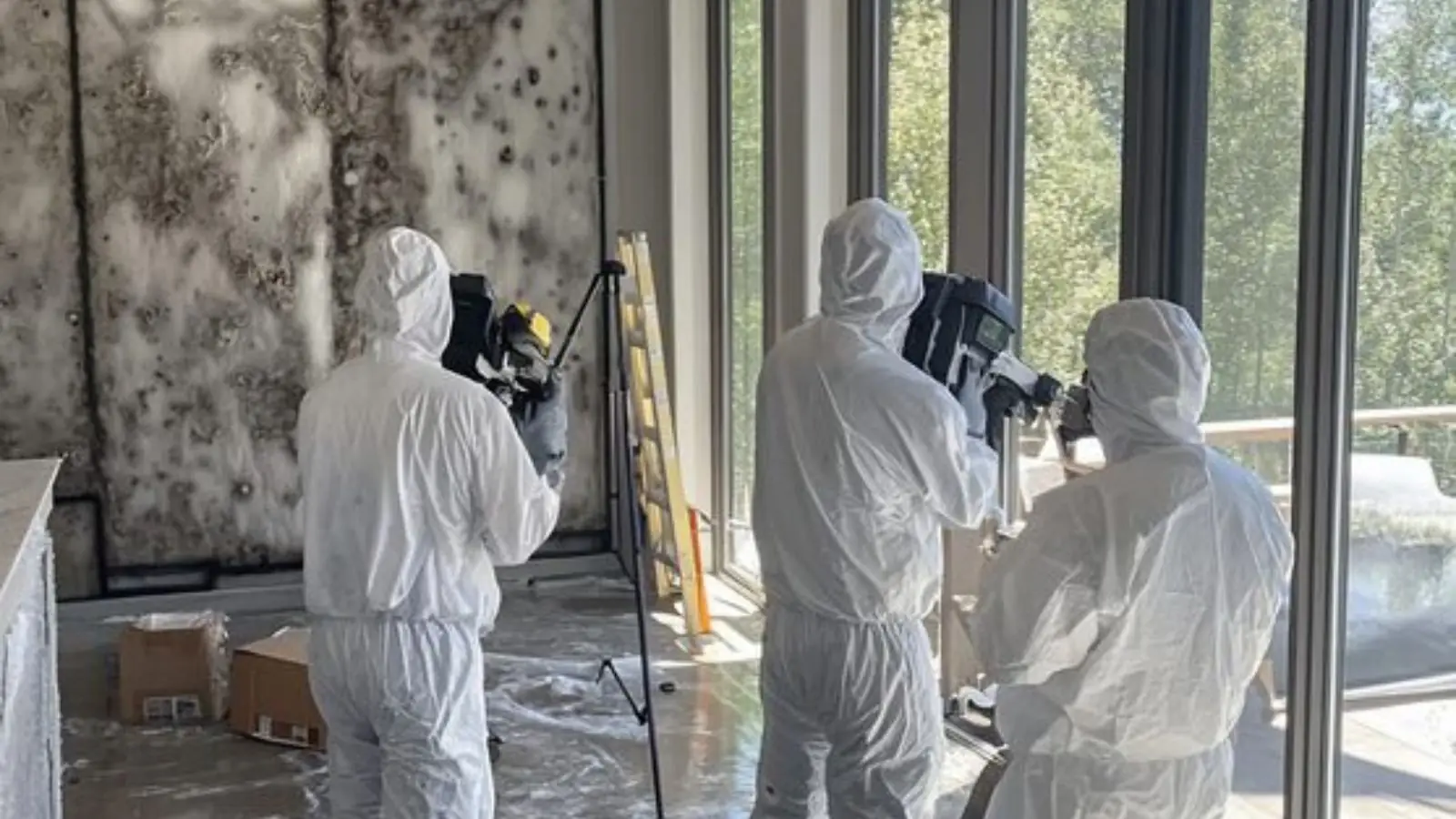
Mold remediation is the controlled removal of mold-damaged material and the cleaning of affected areas, done only after the moisture feeding the mold has been found and fixed. If you need mold remediation in Southlake, TX, this page explains how the work is done, how Texas licensing separates testing from removal, and what to ask before you hire anyone.
Mold is our largest group of calls, and the first question is nearly always the same: is it mold, and what do I do now? The honest answer starts with where the water came from. A house that stays damp will grow it again, whoever cleans it.
Health questions about mold exposure belong to your physician. This page is about the house and the process.
Musty smell, spots in a closet corner or a stain on the bathroom ceiling?
These are the situations that bring most people to this page. A musty smell in a room that has been closed up. Dark spots in the corner of a closet along an exterior wall. A bathroom ceiling stain that keeps coming back after paint. Discoloration on drywall after a leak that seemed to dry on its own.
Any of these can point to moisture in a wall or ceiling. Some are mold, some are plain water stains, and a few are dust or soot. You cannot tell by looking, and color does not identify what a growth is. The trade name for the work you need, once mold is confirmed, is mold remediation.
Before you scrub or paint over anything, keep the area as undisturbed as you can and call. Photos help.
Mold needs moisture, so the leak gets fixed first
Mold needs a damp surface and some organic material, such as drywall paper, wood or insulation. Remove the damp and the growth stops spreading. Leave the damp and any cleanup is temporary.
That is why the order of work matters. Find the leak or humidity source, repair it, dry the structure, and then remove the damaged material. Common sources in a Southlake house are an upstairs toilet seal, a roof leak into the attic, an AC condensate line that backs up, a washer hose, a leaking supply line under a sink, and a shower or tub surround that has failed.
We use moisture meters to find wet framing and drywall, thermal imaging cameras to spot cold, damp patches behind surfaces, and air movers and LGR dehumidifiers to dry what stays. If the leak has not been fixed, tell us on the call and we will say so plainly. A plumber or roofer may need to come first.
Freeze-and-thaw winters can burst pipes in unheated spaces, and spring storms can overload gutters and push water into walls. Both are common starting points for hidden moisture.
Mold testing and inspection in Texas
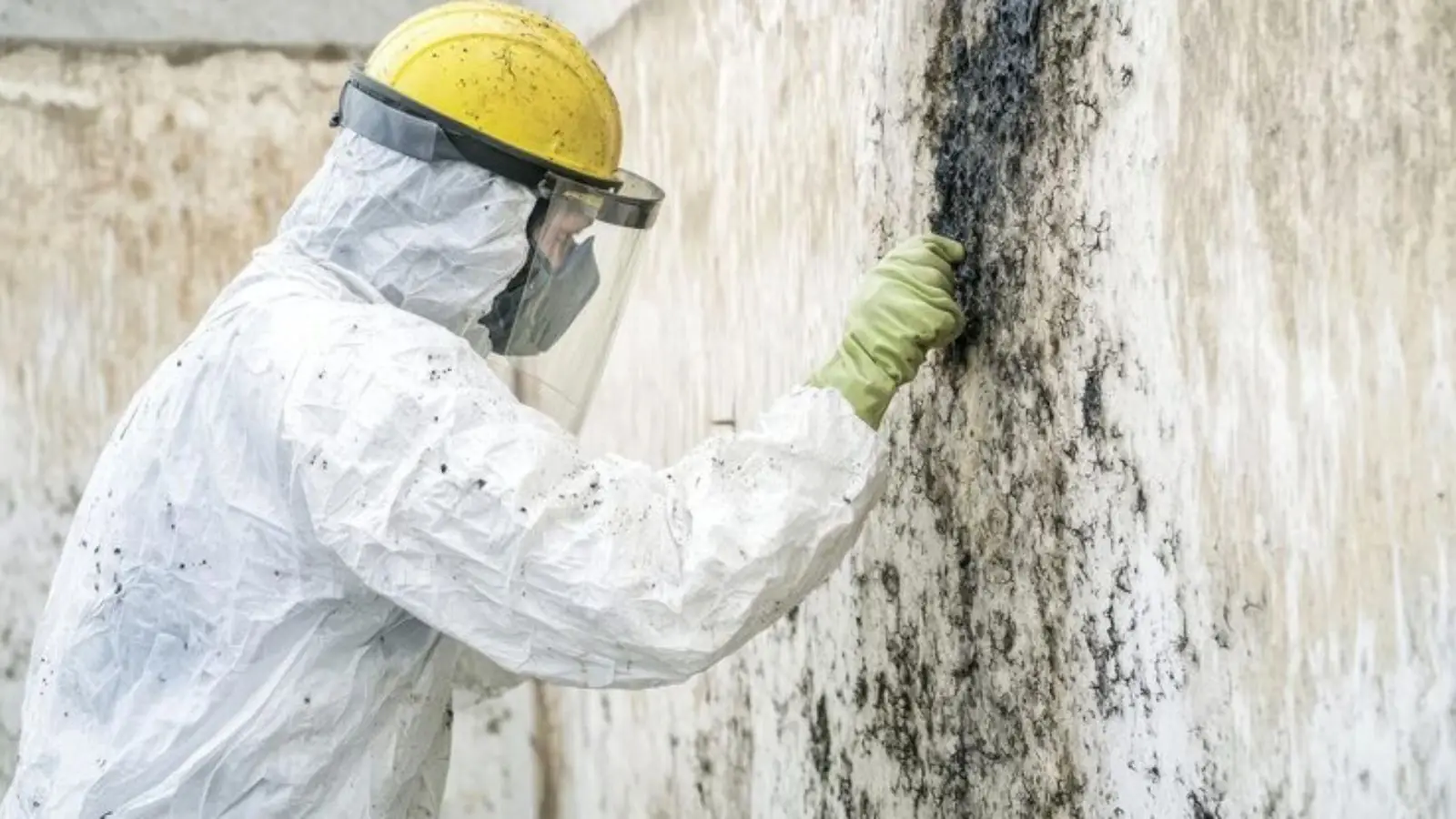
In Texas, the Department of Licensing and Regulation (TDLR) licenses mold assessors, including technicians, consultants and companies, and mold remediators, including contractors and companies. Collecting air or surface samples to determine whether mold is present requires a licensed mold assessor, and samples go to a licensed lab.
The assessor and the remediator have different jobs. The licensed consultant writes the remediation protocol, which spells out what area is affected and how it will be cleaned. The remediator follows that protocol and the state's minimum work practices.
After the work, independent clearance testing checks whether the job met the protocol. The key rule is simple: a consultant who did not write the protocol cannot declare clearance. Ask who is writing the protocol and who is signing off, and make sure they are not the same company as the one doing the removal unless the rules allow it.
| Role | What they do | Who should hold it |
|---|---|---|
| Mold assessor (consultant) | Inspects, samples, writes the protocol | A TDLR licensed mold assessor |
| Licensed lab | Analyzes samples | A lab used by the assessor |
| Mold remediator | Contains, removes, cleans, dries | A TDLR licensed mold remediator |
| Clearance consultant | Declares the job passed, issues the certificate | The consultant who wrote the protocol |
Ask TDLR or the contractor which rules apply to your job, especially for edge cases such as small areas or work you plan to do on your own property.
Mold removal and black mold cleanup
Black mold cleanup follows the same process as any other mold. Color does not change the method, so we do not treat it as a separate job. A growth that looks black is handled with the same containment and removal steps as one that looks green or white.
The work begins with containment barriers made of sealed plastic sheeting, so spores do not travel to other rooms. Negative air machines with HEPA filtration pull air out of the work area, keeping pressure lower inside than outside. HEPA air scrubbers run during the job, and crews wear protective gear.
Porous materials that mold has grown into, such as drywall, insulation and carpet, are cut out, bagged and removed. Non-porous surfaces such as framing are cleaned with HEPA vacuums and damp wiping, and sometimes sanded or wire-brushed. ANSI/IICRC S520 is the published industry standard for mold remediation. Ask any company, including us, whether its crews work to it.
Mold after water damage
Water damage and mold are linked. The Texas Department of Insurance says mold can start growing within a day after a leak. So the first 24 to 48 hours matter. Fast extraction and drying can keep damp materials from becoming a mold problem.
If you had a burst pipe, toilet overflow or roof leak and it was not dried quickly, mold may follow in a wall, under flooring or in an attic. Start with water mitigation and emergency water removal if water is still present. Those steps remove the water and dry the structure.
If mold is already visible, drying alone is not enough. The affected material has to be removed under containment, which is the remediation described above. After that, rebuilding falls under water damage repair.
Clearance testing: proving the work is done
Clearance is the step that tells you whether the cleanup met the protocol. A licensed mold assessor samples the air or surfaces, a licensed lab analyzes them, and the consultant who wrote the protocol decides whether the area passes.
TDI says that, when you file a claim, the insurer will want proof the mold was removed and the cause fixed. The licensed professional must give you a certificate of removal. Keep it with your records.
Clearance is not a promise about the future. Mold can return if moisture returns, which is why the leak repair comes first.
Insurance and mold in Texas
Most homeowner and renter policies cover sudden and accidental water damage, and mold that develops on a covered damaged item is covered. Most policies do not cover gradual leaks or seepage, or the mold they cause. Most do not include mold cleanup and testing after a damaged item has been removed, though some insurers allow you to add that coverage.
Check your policy and ask your insurer. For hidden water damage you usually must report it within days after you first see it. Take photos or video, keep damaged items until the adjuster has seen them, make temporary repairs to limit more damage, hold permanent repairs until the insurer inspects, and keep receipts. We do not promise claim approval.
What changes the cost of mold remediation
Mold jobs vary widely. We explain scope and price before work starts, and these are the factors that drive it.
| Cost factor | What it means |
|---|---|
| Water category (1, 2 or 3) | Where the moisture came from and how clean it was |
| Affected area | Whether growth is limited to one wall or spread across rooms, including the 25 contiguous square foot threshold |
| Materials involved | Drywall, framing, insulation, carpet and cabinets each need different handling |
| Drying days and equipment | Containment, negative air and dehumidifiers running over several days |
| Rebuild scope | Replacing removed drywall, insulation, trim and paint after clearance |
| Testing and clearance | Assessor fees are separate from remediation and paid to the assessor |
Want your real number? Call (817) 623-9267.
What you can do yourself and what to leave alone
Owners may do some work on their own property under exemptions, and the 25 contiguous square feet of visible mold is a key threshold in the Texas rules. For anything near that size, ask TDLR or the contractor which rules apply to your job.
If the growth is small, fix the moisture first, avoid stirring it up, and do not run the HVAC system with the mold in a return or duct. If it is larger than that, behind a wall or in an attic, call a professional. Hidden growth often needs the wall opened to see how far it goes.
If you rent, tell your landlord in writing. If you are a commercial tenant near Southlake Town Square, tell the property manager before anyone opens a wall.
Serving Southlake and nearby towns
We serve homes across Southlake, from State Highway 114 on the north side to Southlake Boulevard, the main commercial road. Give the street address and the nearest of those roads when you call so the crew can find the house quickly.
We also serve neighbors in Grapevine and Keller. Our office is at 1330 N White Chapel Blvd, Southlake, TX 76092.
Frequently asked questions
Often, yes. A buyer's lender may require removal before funding, so the seller needs the work done under a protocol with independent clearance testing and a certificate of removal. We cannot promise that any lender will accept a given report, so ask the lender what it needs before the work starts.
Color does not tell you what a growth is. Sampling by a licensed assessor identifies it. The cleanup approach, which is containment, negative air and removal of affected porous material, is the same. Health questions belong to your physician.
Sampling to find out whether mold is present requires a licensed mold assessor, and the assessor and remediator do separate jobs. We can describe what to ask the assessor you choose, and we work from the protocol they write.
Surface cleaning does not fix moisture inside a wall, and paint can hide a stain that keeps growing underneath. If the area is small, fix the source and ask a professional what applies to your job.
Mold that develops on a covered, damaged item is covered. Gradual leaks and the mold they cause are usually not, and many policies exclude mold testing and cleanup unless added. Ask your insurer.
Independent clearance testing by a licensed assessor, plus a certificate of removal, is the usual proof. Mold can return if moisture returns, so the leak repair comes first.
Stop the water if you can, keep the area closed off, and take photos. Do not scrub or disturb the surface. Call (817) 623-9267 and see our full services page for related work.
Water in the house? Dispatch answers around the clock.
☎ Call (817) 623-9267