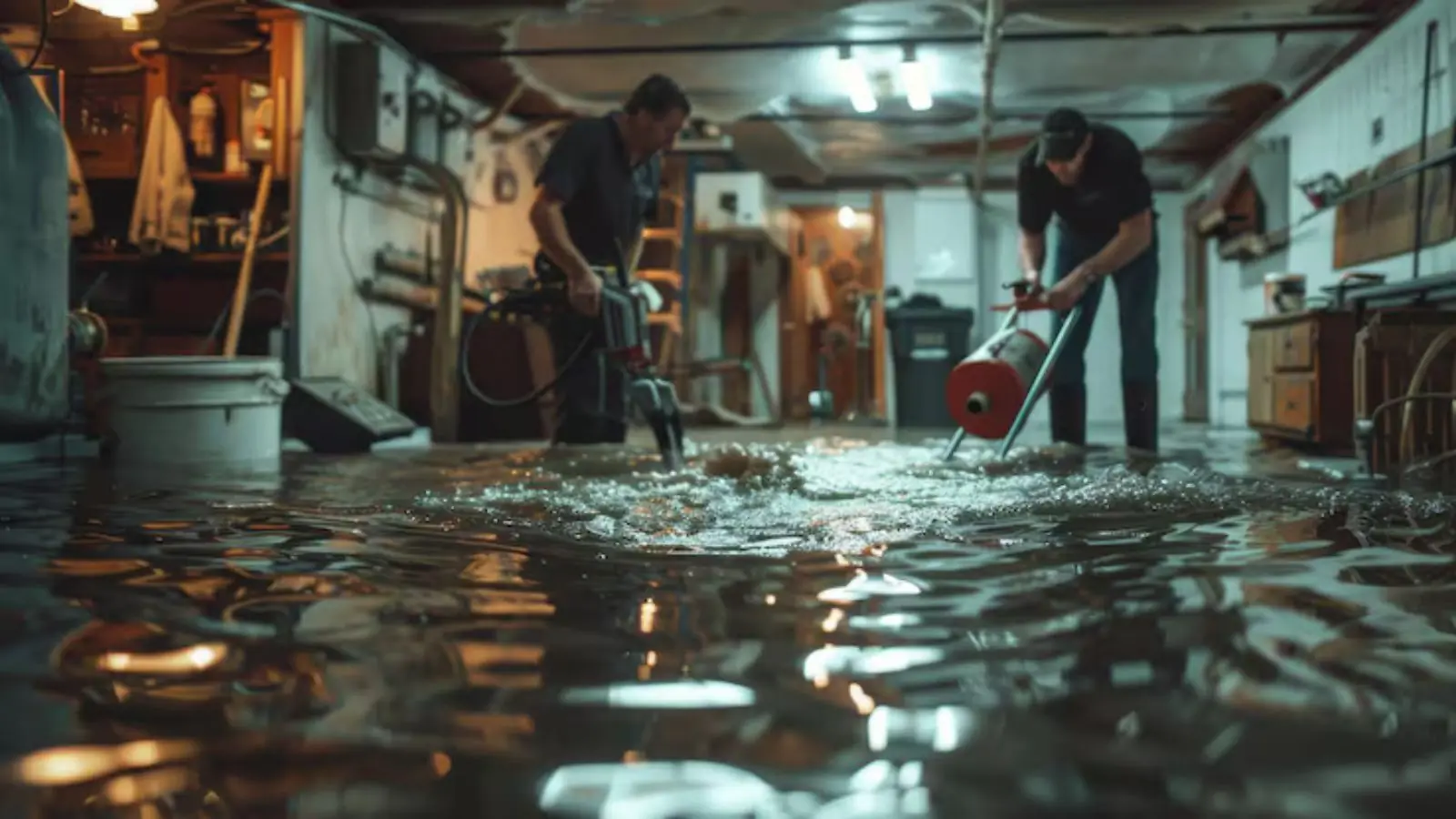
Standing water in your house cannot sit, and our dispatch line at (817) 623-9267 runs 24/7 for emergency water extraction in Southlake, TX. While you wait, shut off the main water valve if a pipe is the source, stay out of water that touches outlets or appliances, and move anything valuable above the waterline. Do not use household vacuums on water, and leave the electrical panel alone if it is wet.
Emergency water extraction, often called water removal, is pulling standing water out of a building with submersible pumps and extraction units before it soaks into floors and walls. It comes first because water you can remove as a liquid is water you do not have to dry out of the framing later. Drying comes next, under water mitigation.
Standing water is in your home and you need it out
Water that sits does damage in layers. First it soaks carpet and pad, then baseboards and the bottom of the drywall, then subfloor. Pulling it out as liquid is the fastest way to limit all of that.
Crews pick the equipment by depth and surface. Deep water goes out through submersible pumps. Carpet gets weighted extraction wands, and tile or hard flooring gets wet vacuums and squeegees.
Speed matters because every inch of depth is more weight on the floor and more water reaching trim, cabinets, and walls. Crews also lift furniture legs onto blocks and pull rugs out of the water early. Baseboards are checked with a meter before extraction ends, since water often hides behind them.
| Situation | Equipment | What to know |
|---|---|---|
| Inches of standing water | Submersible pump and discharge hose | Pump runs until it only pulls air, then the floor gets a second pass |
| Soaked carpet and pad | Truck-mounted or portable extraction unit, weighted wand | Pad is often removed once the carpet is lifted |
| Tile, vinyl, sealed hard flooring | Wet vacuum and squeegee | Check the subfloor and baseboards after |
| Crawl space | Small pump and hose run out and away from the foundation | Find the source before pumping |
| Sewage from a lower-level drain | Contained extraction with protective gear | Treated as category 3, stay out and call |
Burst pipe water damage
Shut off the main water valve first. It is usually where the line enters the house, in a garage or utility room, or at the meter. Then open the lowest faucet to drain the lines. If the main will not turn, call your water utility or a plumber.
Freeze-and-thaw winters can burst pipes, and the February 2021 winter storm tested North Texas plumbing. Many burst-pipe calls start small. A braided supply line or stop valve under a sink can crack. A washer hose can split. A water heater tank can leak at the base.
For a water heater, shut the cold supply and switch off its power or gas only if you can reach the controls safely. After the source is closed, we extract the water and then dry the structure. A plumber repairs the pipe itself, because pipe repair is plumbing work and not what we do. What to expect: dispatch asks where the water is, a crew confirms it is off, then pumps go in and moisture mapping begins.
Electrical and sewage risk with standing water
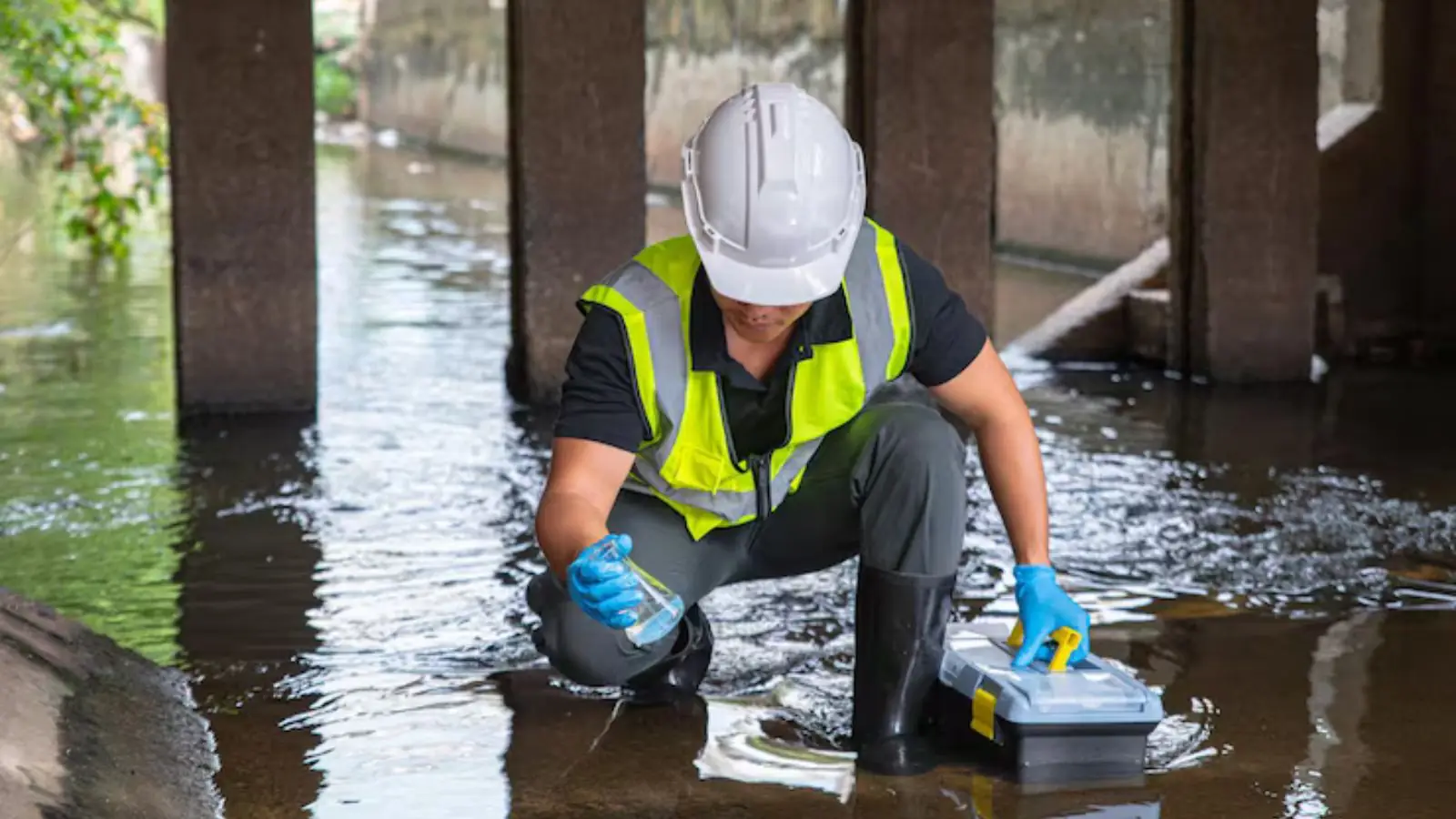
Water can energize outlets, extension cords, and appliances. If you see sparks, hear buzzing, or smell gas, leave the house and call 911 or the utility before you call us. Do not enter a flooded room to reach the panel.
If the water looks gray, brown, or smells like sewage, treat it as contaminated. Keep children and pets away and say so on the call. If the trouble may be the city's water or sewer line, Southlake Public Works takes after-hours water and sewer emergencies at (817) 748-8082.
Crawl space with standing water
Water in a crawl space is easy to ignore and expensive to leave. It can come from a failed supply line, a drain leak, or runoff after heavy rain. Crews first work out which one it is, since pumping a plumbing leak that is still running only buys a few minutes.
Hoses carry the water out and away from the foundation. After that, the space needs drying and a check of insulation, the vapor barrier, and any wood in contact with moisture. Extraction is not waterproofing, so if water keeps returning, the fix is drainage or grading work. Homeowners and HOAs maintain their own property drainage, and city crews cannot use public resources to clean private property.
After the water is out: drying comes next
A room can look dry after extraction and still hold water in the subfloor, wall base, and insulation. Moisture meters and thermal imaging cameras find it, and air movers and LGR dehumidifiers dry it. Skipping that step is how musty odors and warped boards show up weeks later.
If soaked materials need to come out, water damage cleanup handles the debris and sanitizing. If the water came from a storm or rising water outside, read about flood damage restoration and check the city's flood zone map and the FEMA Flood Map Service Center for your address.
Directions, nearby towns, and what to tell dispatch
Give us your street address plus the nearest main road, such as Southlake Boulevard or State Highway 114, and tell us about gates or locked entries. Crews need a place to park the extraction unit close to the door.
We also work calls in nearby towns such as Colleyville and the same steps apply. Say where the water is coming from, how deep it is, and which floor it is on.
Extraction is only the first stage of the published ANSI/IICRC S500 standard for professional water damage restoration, which treats removal, drying and monitoring as one connected process. Ask any company you call whether its crews work to S500 and how they will confirm the structure is dry.
What shapes the cost of water extraction
Scope and price are explained before work starts. Two calls that both say standing water can look very different once a crew walks in.
| Cost factor | Why it matters |
|---|---|
| Water category (1, 2, or 3) | Contaminated water adds containment and protective gear |
| Area and depth of water | Volume decides pump size, hose runs, and how many passes the floor needs |
| Materials involved | Carpet, pad, and hardwood respond differently to being flooded |
| Drying days and equipment | Water that soaked in still needs air movers and dehumidifiers |
| Rebuild scope | Anything ruined by the water joins the repair list |
The Texas Department of Insurance says most policies cover sudden and accidental water damage, such as a burst pipe or a broken washer hose. Gradual leaks usually are not covered, and floods need a separate flood policy. Check your policy and ask your insurer, since we cannot promise a claim will be approved.
Want your real number? Call (817) 623-9267.
Frequently asked questions
Yes. Dispatch answers 24/7, including overnight and on weekends, and we offer same-day response when available. Call (817) 623-9267 and tell us the water depth, the source, and whether it is still running.
We do not promise an arrival time, but we do explain scope and price before work starts.
Much of the standing water can often come out in a single visit, but the time depends on depth, area, and access. Damp materials remain after that, and they need drying.
A wet-rated shop vac can handle a small spill on a hard floor if power is safe. Never use a household vacuum on water, and never plug anything in while standing in water. For carpet, pad, or deep water, call us instead.
A plumber repairs the pipe. We extract the water, dry the structure, and clean up what the water damaged. Close the main valve first so the pipe stops running.
Lift furniture off the wet floor and put foil or plastic under the legs. Roll rugs out of the water if you can do it without stepping near outlets.
Photograph everything first, and keep ruined items until your adjuster has seen them.
No. We do not rent equipment. Crews bring pumps and extraction units to the job and run them as part of the service.
If the leak is on your side of the meter, it is yours to stop and repair. If you suspect the city line, call Southlake Public Works at (817) 748-8082 after hours or customer service at (817) 748-8051 during the day.
Water in the house? Dispatch answers around the clock.
☎ Call (817) 623-9267