Water damage repair is the rebuilding phase that follows drying: cutting out ruined material, installing new, and finishing it so the room looks like nothing happened. If you are searching for water damage repair in Southlake, TX, this page covers what gets rebuilt, in what order, and how we explain scope and price before any work starts.
Repair only makes sense after the water is out and the structure is dry. If wet materials are still sitting in the house, start with water mitigation so drying equipment goes in first, then come back here for the rebuild.
Most repair calls we hear about start with a visible sign: a brown stain spreading on a ceiling, paint bubbling on a wall, baseboards pulling away, or a hardwood floor that has started to curl at the edges.
What gets rebuilt after the drying is done
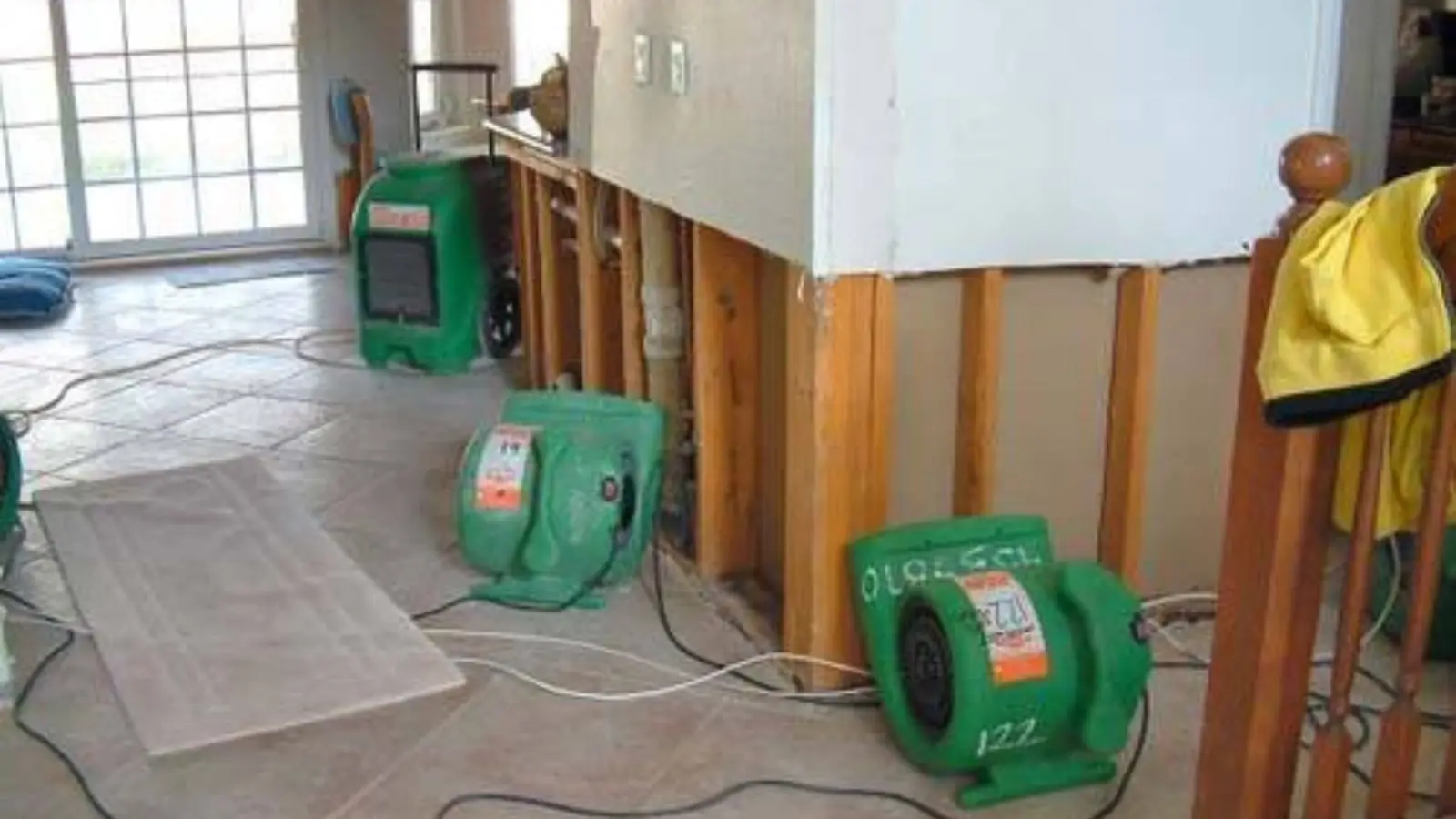
Repair work follows the water. Whatever the drying crew had to remove, the rebuild crew puts back, and the list is usually shorter than people fear when drying started early. Wet drywall is cut out, wet insulation is pulled, and baseboards are removed so the wall cavity can breathe.
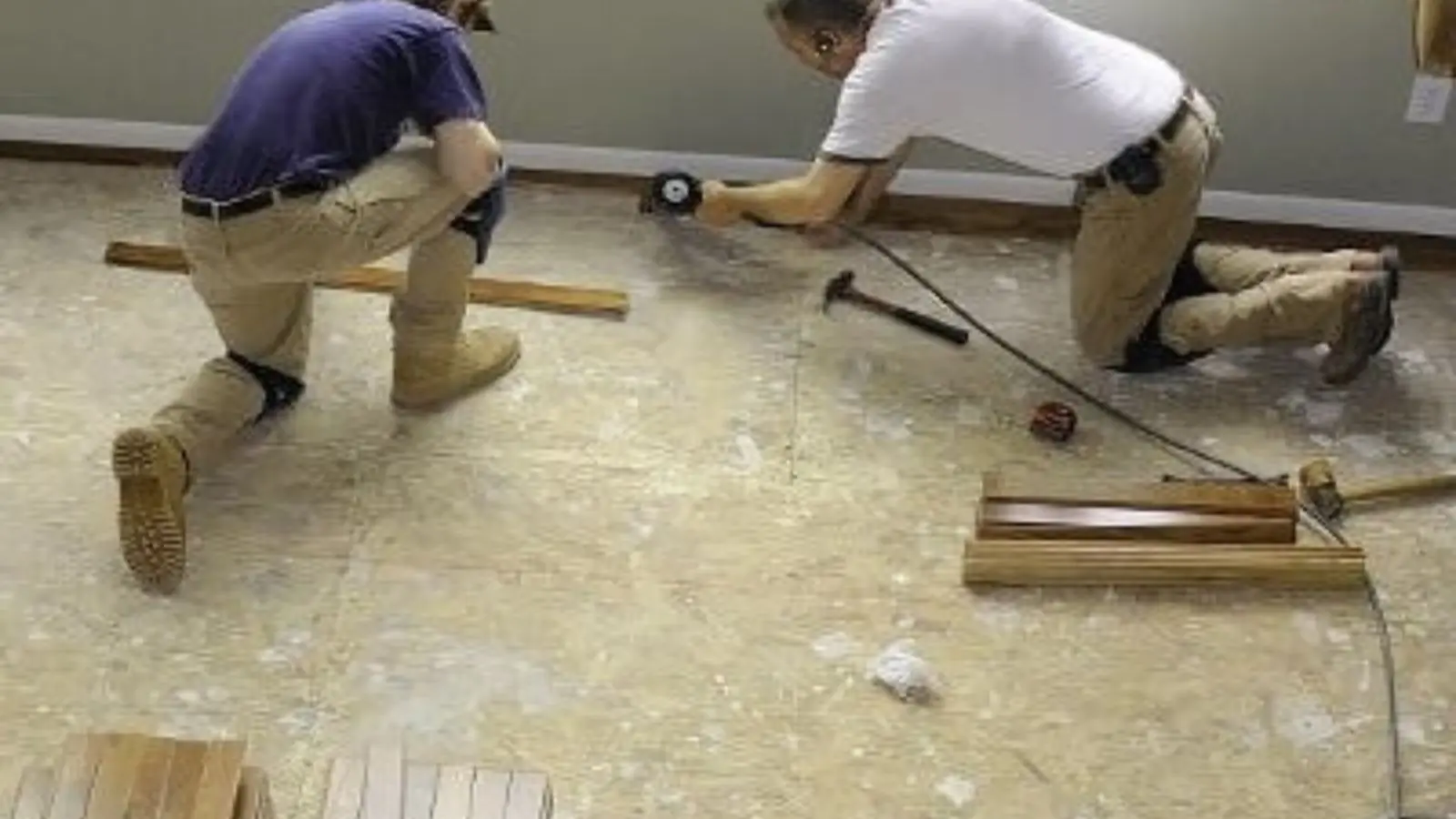
Once moisture meters read normal, the rebuild begins. New insulation goes in, drywall is hung, taped and sanded, trim is reinstalled, and everything is primed and painted. Flooring and cabinets come last because they are the slowest to order and the easiest to damage.
- Drywall: cut out, replaced, taped, floated and sanded smooth.
- Insulation: wet batts removed and replaced in the same cavity.
- Baseboards and trim: reinstalled, or replaced where swelling has warped them.
- Flooring: hardwood, laminate, tile or carpet and pad, depending on what the water reached.
- Cabinets: toe kicks and bases repaired or swapped when the particleboard has swollen.
- Paint: primed and finished corner to corner so patches do not show.
Ceiling and wall water damage repair
An upstairs toilet leak often shows up first as a brown ring on the ceiling below. The stain is only the surface. Behind it, the drywall, insulation and joists have been taking on water, and the paper face of the board can soften long before the ceiling visibly sags.
A roof leak into the attic works the same way, only slower and quieter. Water runs along the rafters, soaks the insulation and drops onto the ceiling drywall. A soft spot that is forming, one that gives under a light press of a finger, means the board has lost its strength. If a ceiling has already collapsed, keep everyone out from under it and do not climb into the attic to look around.
Wall damage near siding usually starts outside. Failed caulk, a cracked board or a bad flashing joint lets water behind the wall, and it shows up inside as a bubbled paint line or a swollen baseboard. The repair finds the entry point, cuts out the wet drywall and insulation, checks the studs with a moisture meter, and closes the wall only after the readings drop to normal.
We cut in straight lines past the stain so patches can be taped and sanded flat. Texture is matched, then the whole wall or ceiling plane is primed and painted so the patch does not flash through.
Hardwood floor cupping and drying
Hardwood reports water damage slowly. An AC condensate line that backs up, or a washer supply valve that fails, can wet a floor from one wall to the other. The boards respond by swelling at the edges and rising at the sides, a shape called cupping.
Please do not sand early. Cupping can relax as the floor dries, so we judge it after drying, not during. Moisture meter readings are taken across the floor and compared with dry boards, and sanding only starts once the readings settle.
Some boards stay buckled or badly cupped and get replaced and blended into the surrounding floor. The first step is still drying, which is what water mitigation handles before any boards come up.
Repair or replace: how we decide
Not every damaged material has to go. The decision turns on what the material is, how long it stayed wet and whether it dried back to normal readings. The table shows the usual logic.
| Material | Often kept if | Often replaced if |
|---|---|---|
| Drywall | Dried fast, still firm, no stain bleed-through | Soft, sagging, crumbling or stained through the paper |
| Insulation | Foam board or batts that dried completely | Fiberglass or cellulose that stayed wet or compressed |
| Baseboards and trim | Solid wood that dried flat | Swollen, split or finger-jointed trim that has warped |
| Hardwood | Cupping relaxed after drying and readings are normal | Buckled, cracked or stained boards that stay raised |
| Cabinets | Solid wood boxes with a dry toe kick | Particleboard bases that swelled at the bottom edge |
A wall closed over wet material tends to cause a second repair later, so we confirm readings before the new drywall goes up.
Scope and price explained before work starts
Repair is the part of the job where homeowners most want to know the number. We walk the damage, read moisture levels, and explain scope and price before work starts, so you can decide with the facts on the table. You will not hear about changes after the drywall is already open.
No two repairs cost the same, and these are the factors that move the quote.
| Cost factor | Why it matters |
|---|---|
| Water category (1, 2 or 3) | Clean-source water leaves more salvageable material than contaminated water |
| Affected area | More wall, ceiling and floor surface means more cutting, hanging and finishing |
| Materials involved | Hardwood, tile, custom cabinets and textured ceilings cost more than basic carpet or flat drywall |
| Drying days and equipment | A slow dry-out delays the rebuild and can add steps |
| Rebuild scope | Patching a ceiling is different from replacing a room's drywall, trim and floor |
Insurance notes: most homeowner policies cover sudden and accidental water damage, such as a burst pipe, toilet overflow or broken washer hose. Gradual leaks and seepage are often not covered. Check your own policy, and take photos or video before repairs begin. We do not promise claim approval.
Want your real number? Call (817) 623-9267.
Permits, timing and working with the city
Permit rules vary with the size of the repair, and the city site does not say whether water damage repair needs a permit. Ask the Southlake building inspections office whether your repair needs one. The office is at 1400 Main Street and can be reached at (817) 748-8236.
Timing depends on drying, material lead times and how many trades are involved. Cabinets and custom flooring can take longest to arrive, so we order them early. Keep receipts for anything you buy or have done, since your insurer may want them.
The published ANSI/IICRC S500 standard puts drying and moisture verification ahead of rebuilding, which is why a repair scope should start from dry readings. Before drywall goes up, ask any contractor whether its crews work to S500 and ask to see the readings.
When the work is at a shop, store or office
Commercial tenants near Southlake Town Square or along Southlake Boulevard usually have a property manager to inform before any wall is opened. Tell the manager early, because lease rules often decide who pays for ceiling tile, drywall and paint.
If you are unsure whether the damage is ready for repair or still needs drying and cleaning, ask us during the call. We can separate water damage cleanup from the rebuild so the sequence makes sense.
Frequently asked questions
Repairs start once moisture meter readings in the affected materials return to normal. That depends on how wet the area got and how fast drying began. We confirm the readings before we hang anything new.
Sometimes. If the board is still firm and dried quickly, a stain-blocking primer and paint may be enough. If the board is soft, bulging or sagging, it needs to be cut out and replaced.
No. Cupping can relax as the floor dries, so judge it after drying and after moisture readings settle. Sanding early can leave a floor that shrinks into gaps later.
Yes, we coordinate both. Drying is covered under water mitigation, and the rebuild follows once the structure is dry. See our full service list for the other steps.
Many policies cover sudden and accidental water damage and not gradual leaks. Read your policy or ask your insurer, and take photos before repairs. We cannot promise approval.
No, we do not rent equipment. We place and monitor it ourselves so the readings are tracked and the dry-out is verified.
Water in the house? Dispatch answers around the clock.
☎ Call (817) 623-9267