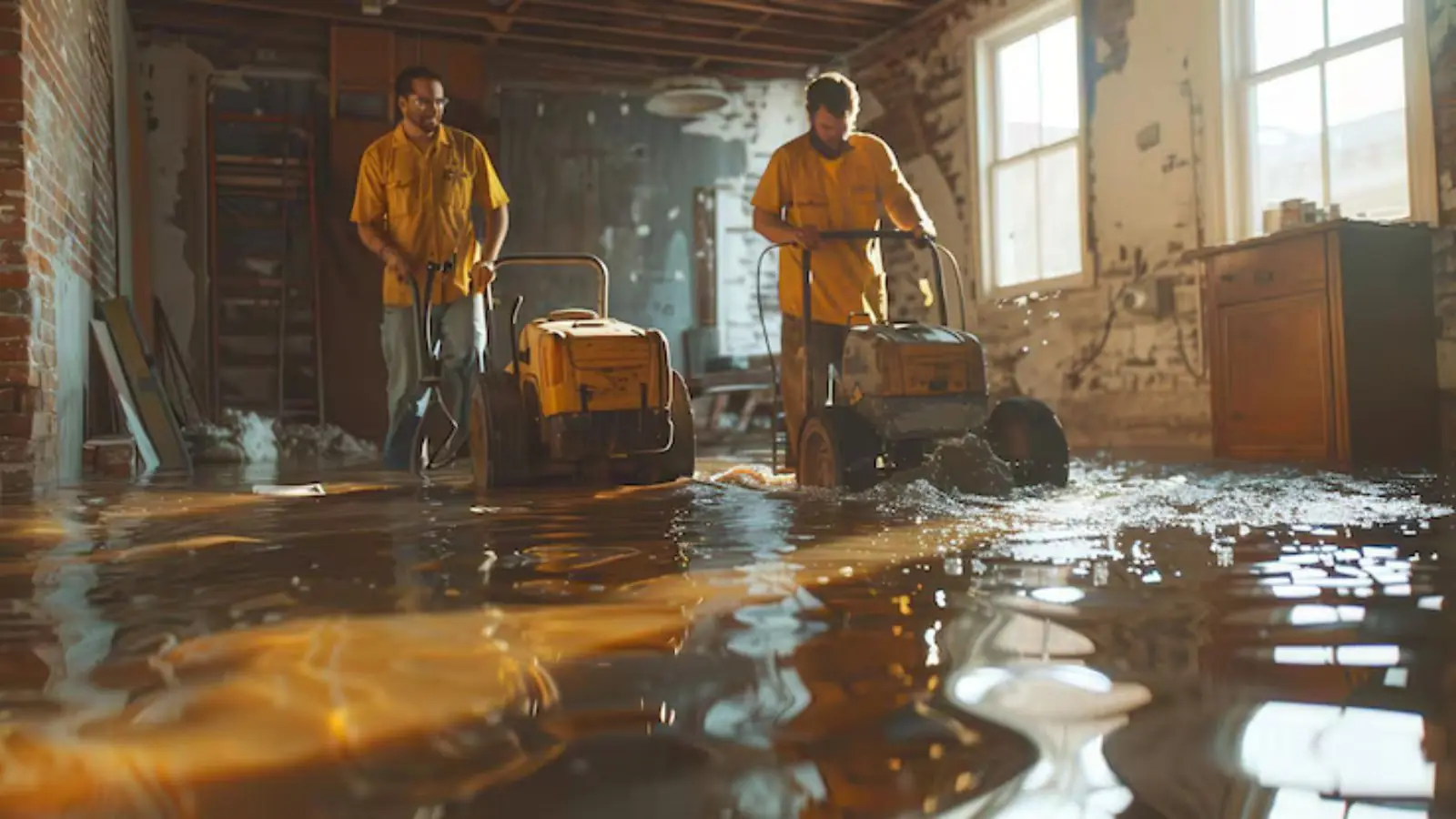
If water has soaked your floors and walls in Southlake, TX, you need water damage cleanup, and the dispatch line at (817) 623-9267 is staffed 24/7. While you wait, keep everyone out of the wet area if the water may be contaminated, stay off soaked carpet, and take photos or video of what you see. Turn off power to wet rooms only if you can reach the panel dry.
Water damage cleanup is the removal of standing water, wet debris, and materials that cannot be saved, followed by sanitizing and deodorizing the space. It begins once the source is stopped and usually fills the first 48 hours. Drying is covered under water mitigation, and rebuilding comes later.
The leak is stopped but the soaked mess is still in your house right now
A closed valve ends the flow, not the problem. Carpet pad is holding gallons, drywall is pulling water up the wall, and insulation is packed against framing. Each hour these stay wet, they get harder to save and the smell gets worse.
Cleanup crews work room by room. They pull standing water, remove what is past saving, bag and haul debris, then clean and sanitize every surface that stays. The goal is a bare, clean structure that drying equipment can work on.
Electrical and sewage safety during cleanup
Do not walk through water if outlets, cords, or appliances are sitting in it. If you see sparks or smell gas, leave and call 911 or the utility first, then call us.
Water that came up through a floor drain or toilet from the sewer is not a do-it-yourself job. Keep people and pets away and tell dispatch right away, since the crew will set up containment and protective gear before removing anything.
Water categories 1, 2, and 3: what each one means for cleanup
Restoration professionals sort water into three categories under the ANSI/IICRC S500 standard. The category decides what gets saved and what goes in the dumpster. Time matters because clean water that sits for days can slip into a higher category.
| Category | Typical source | Porous materials | Cleanup approach |
|---|---|---|---|
| 1 | Broken supply line, washer hose, sink overflow from clean supply | Carpet and pad can often be dried in place if caught early | Extraction, drying, light cleaning |
| 2 | Dishwasher or washer discharge, some toilet overflows, sump overflow | Pad usually removed, carpet cleaned or replaced | Extract, remove pad, clean and sanitize |
| 3 | Sewage backup, or water that sat long enough to degrade | Porous materials removed and discarded | Containment, removal, disinfecting, HEPA air scrubbers |
Rising water from storms is a separate case handled under flood damage restoration, since it is treated as heavily contaminated from the start.
What gets removed and what can be saved
No one wants to throw out a house worth of materials, and crews do not do it casually. Each item gets a moisture reading and a category check before it goes in the pile.
Soaked carpet pad
Pad acts like a sponge and is usually the first thing out. The carpet on top can sometimes be lifted, cleaned, and dried if the water was clean.
Drywall that is wicking
Water climbs the wall above the visible line. Crews check with a meter and cut out wet sections up to the highest reading.
Wet insulation
Batt insulation slumps and holds water against framing, so it generally comes out. Dense foam can sometimes stay.
Hardwood and subfloor
Caught early, they often dry in place. Cupping and gaps show up when water sat too long.
Furniture and contents
Solid wood pieces often clean up well. Upholstery touched by category 2 or 3 water usually does not.
Papers and electronics
Set them aside dry and do not power anything on. Keep damaged items until your adjuster has seen them.
Sanitizing and deodorizing after the debris is gone
Cleaning agents go on only after wet debris is out, because sanitizer cannot fix a saturated pad. Crews wipe and treat remaining surfaces, run HEPA air scrubbers to pull fine particles from the air, and use deodorizing products where odor lingers.
A smell that returns usually points to something still wet or something left behind. Deodorizing masks nothing when the source is removed, which is the reason removal comes first. If dark spotting appears after cleanup, that is a job for mold remediation rather than more sanitizer.
Content pack-out and what to set aside
Pack-out means moving belongings out of the affected rooms so crews can work and so the items do not soak up moisture or odor. Furniture, clothing, and décor get sorted into salvageable, cleanable, and discard piles.
Before the pile grows, tell your insurer and document it. The Texas Department of Insurance advises photos or video before repairs and keeping damaged items until the adjuster has seen them.
- Photograph each room and each damaged item before it moves.
- Keep a list of what you discard, with rough age and brand.
- Hold back valuables and papers for separate drying or cleaning.
- Save every receipt for temporary repairs and hauling.
Permits, directions, and nearby towns
Cleanup removes materials, and rebuilding puts them back. Ask the Southlake building inspections office at 1400 Main Street, (817) 748-8236, whether your repair needs a permit, since the city site does not say either way for water damage.
We also work calls in nearby towns such as Keller. Give dispatch your address and any gate code, because debris removal needs a spot to stage a dumpster or trailer.
What shapes the cost of water damage cleanup
Scope and price are explained before work starts. A web page cannot give a fair number, since the same flooded room can be a light job or a heavy one.
| Cost factor | Why it matters |
|---|---|
| Water category (1, 2, or 3) | Higher categories mean more removal and more protective steps |
| Size of the affected area | More rooms means more debris, hauling, and cleaning |
| Materials involved | Pad, drywall, insulation, and flooring each need different handling |
| Drying days and equipment | Wet materials left in place extend drying |
| Rebuild scope | Every removed material becomes a replacement item later |
The Texas Department of Insurance says most policies cover sudden and accidental water damage, while gradual leaks usually are not covered and floods need a separate policy. Ask your insurer what applies to you, because we cannot promise a claim will be approved.
Want your real number? Call (817) 623-9267.
Frequently asked questions
Yes. Dispatch answers 24/7, and we offer same-day response when available. Call (817) 623-9267 and describe the source, the rooms involved, and whether sewage is possible.
We do not promise an arrival time, but we do explain scope and price before work starts.
Pad holds water against the floor and is rarely worth saving once soaked, especially after category 2 or 3 water. Even clean water can turn into a problem if the pad sits wet for a couple of days.
Call early and let a meter reading decide.
Sometimes. Drywall that stayed wet briefly with clean water can dry in place, and a meter tells us whether it did. Drywall that crumbles, sags, or sat in category 2 or 3 water usually has to be cut out.
Cleanup removes water, debris, and unsalvageable materials, then sanitizes. Drying uses air movers and LGR dehumidifiers to pull moisture from what remains, and it is covered under water mitigation.
Most jobs need both, and they often overlap in the first two days.
Cleanup comes first so the structure is bare and clean before any new materials go in. Replacement and finishing belong to water damage repair.
Cleanup after sudden and accidental water damage is often covered under a standard home policy, but approval is your insurer's decision. Take photos before repairs and keep receipts.
Water in the house? Dispatch answers around the clock.
☎ Call (817) 623-9267