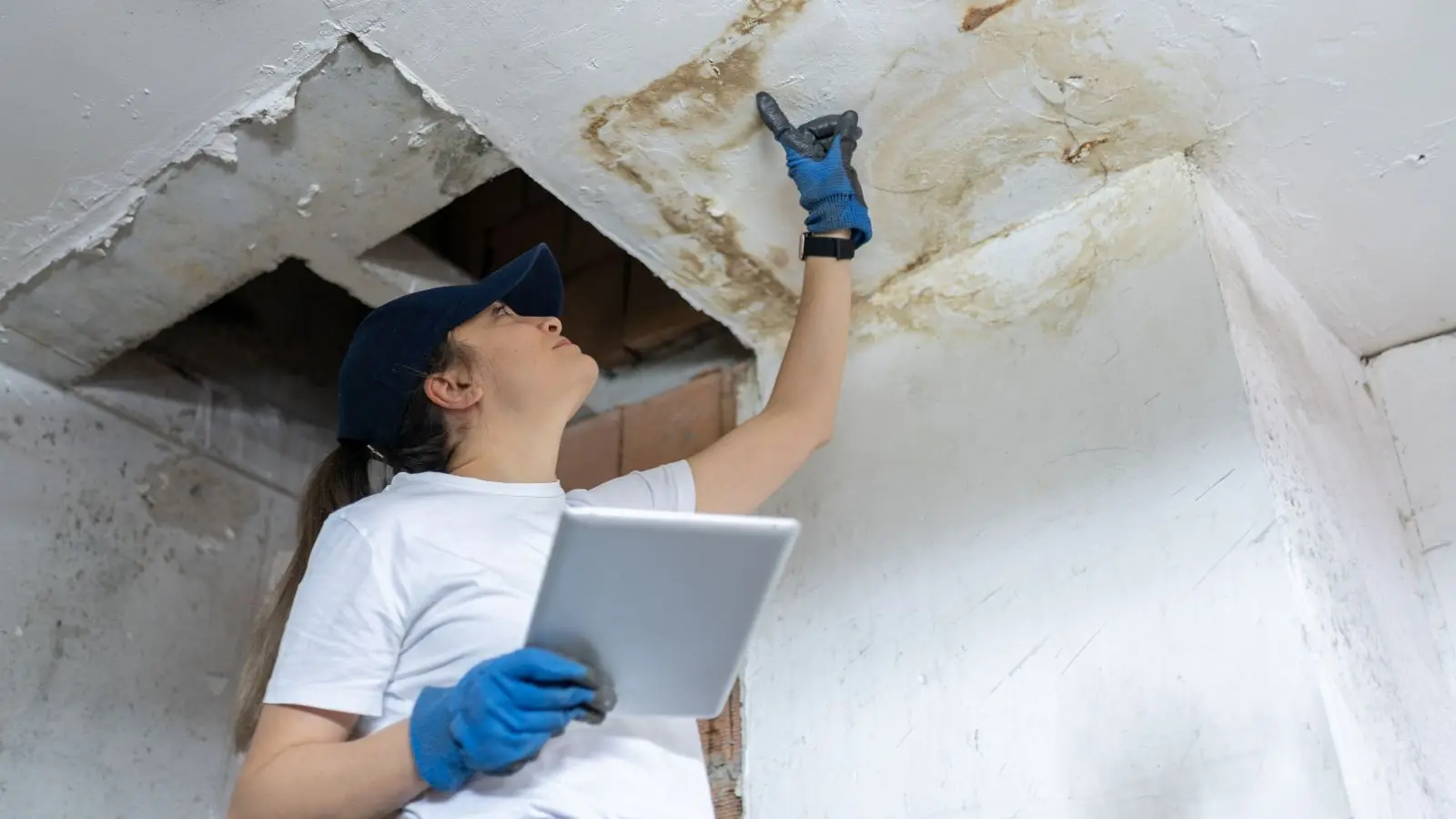
A water damage insurance adjuster is the person your insurer sends to inspect the damage, review the cause, and report what the policy may cover. If you live in Southlake, TX, that visit can feel high stakes because it shapes the rest of the claim.
The good news is that adjusters respond well to organized homeowners. This post explains what the adjuster does, how to prepare the house and your paperwork, and how a restoration scope of work serves as supporting documentation without ever guaranteeing a result.
What an adjuster actually does
The adjuster investigates. They look at the damaged areas, ask how and when the water arrived, compare what they find with your policy, and prepare a report for the insurer. They are not there to repair anything, and they are not the one who writes the policy.
Expect questions about the source, the date, and the steps you took afterward. Expect them to take photos, test materials with a moisture meter, and ask to see the failed part. Whether the loss is sudden and accidental or gradual is usually the center of the visit. Because causes can hide inside walls, they may also ask to open a small section for a look, and you should agree only after photographing it first.
Their report goes back to the insurer, which makes the coverage decision. That is why a kind adjuster may still tell you they cannot say what will be paid.
Preparing the house before the inspection
Do not hide damage by cleaning it up. TDI advises keeping damaged items until the adjuster has seen them, and holding permanent repairs until the insurer inspects. Leave the soaked baseboard, the stained ceiling tile, and the cracked supply line where they can be examined or bagged beside the item.
You can still protect the house. Extract standing water, run drying equipment, and make temporary repairs. Just take photos first so the before state is documented.
- Make sure the adjuster can reach every affected room, including attic and crawl space entries.
- Put the failed part, such as a split hose, in a labeled bag.
- Set aside ruined belongings in one area rather than discarding them.
- Print or open your policy declarations page and claim number.
- Write a short timeline of when you first noticed water and what you did.
Your paperwork: a ready-to-hand checklist
Adjusters work through a lot of files, so tidy information shortens the visit and cuts back-and-forth. The table shows what to bring and why it matters.
| Item to have ready | Why the adjuster wants it |
|---|---|
| Photos and video taken before repairs | Shows the original condition and extent |
| Timeline of events | Helps separate sudden damage from gradual seepage |
| Receipts for emergency work | Documents temporary repairs made to limit damage |
| Contents inventory | Lets the adjuster match items to the policy |
| Drying logs and moisture readings | Shows how water moved and whether materials dried |
| Restoration scope of work | Lists the cleaning, drying, and rebuild tasks in writing |
How a restoration scope of work is used as documentation
A scope of work is the restoration company's written list of what the job involves: the rooms affected, materials to be dried or removed, equipment placed, and rebuild items identified. It also records water category and moisture readings. Moisture meters and thermal imaging cameras give it measurable support.
Adjusters can use that scope as one piece of evidence alongside their own inspection. It helps them see what was done, why, and what remains. It is documentation, not an invoice the insurer must accept, and we never claim it guarantees coverage.
Ask any company whether its crews work to ANSI/IICRC S500, the published industry standard for water damage restoration. Our water damage repair page explains how rebuild items are listed once drying finishes.
During the walkthrough: what to say and ask
Answer questions plainly, and do not guess. If you do not know when a slow stain first appeared, say so. Point out the damage the adjuster might miss, like a bubbling floor edge or a musty closet wall.
It is fine to ask questions in return. What happens next? When will the decision be sent in writing? Who should receive our scope of work? Write down the names and answers.
If the adjuster identifies hidden damage on a later visit, send supporting photos and updated drying readings so the file stays current. Keep sending anything new, such as a second round of readings after the equipment comes out. That way the file reflects the final condition of the house rather than only the first day.
What never to expect from anyone: promises on approval
Neither an adjuster nor a restoration company can promise you a claim will be approved or a specific payout. Most policies cover sudden and accidental water damage and not gradual leaks, but the insurer makes the call after reviewing the facts. Be cautious of any contractor who tells you otherwise.
Our role is to dry and document the damage accurately. Pair that with your photos and receipts, and you have given the insurer everything you can. Because mold can begin growing within a day after a leak, a crew can start water mitigation while the claim proceeds.
When to call us before or after the adjuster
Call (817) 623-9267 for 24/7 dispatch if water is still present, drying has not started, or you need a written scope to share with your insurer. We are licensed and insured restoration professionals serving Southlake and nearby towns, with same-day response when available, and we explain the scope and price before work starts.
Reaching the right Southlake office when damage involves the city
Some leaks start with the city. Southlake Water Utilities and Public Works maintain the infrastructure that delivers water and wastewater service, with customer service at (817) 748-8051 and an after-hours line for water or sewer emergencies at (817) 748-8082. If a break on the utility side contributed to your loss, tell the adjuster who you called and when.
The city's offices are at 1400 Main Street, where Building Inspections handles permits, plan review, and inspections at (817) 748-8236. Ask them whether your repair needs a permit, because the city website does not say. An adjuster may ask whether permitted work is involved.
Frequently asked questions
Being present is strongly recommended. You can point out damage, answer questions, and learn what happens next. If you cannot attend, ask whether someone you trust can be there, and share your photos beforehand.
TDI advises keeping damaged items until the adjuster has seen them. If an item is unsafe or smells badly, photograph it thoroughly first and ask the insurer for guidance. Receipts and notes help show what you removed.
A restoration team can share its scope of work, photos, and drying logs, and many homeowners ask for that. The claim itself belongs to you and your insurer. We do not handle the insurer's decision and never claim direct billing.
Most policies do not cover gradual leaks or seepage, including the mold they cause. Ask the insurer to explain its reasoning in writing and share your timeline and photos. A sudden break discovered late may still be reviewed.
Questions about your own situation? Call and describe what you are seeing.
☎ Call (817) 623-9267