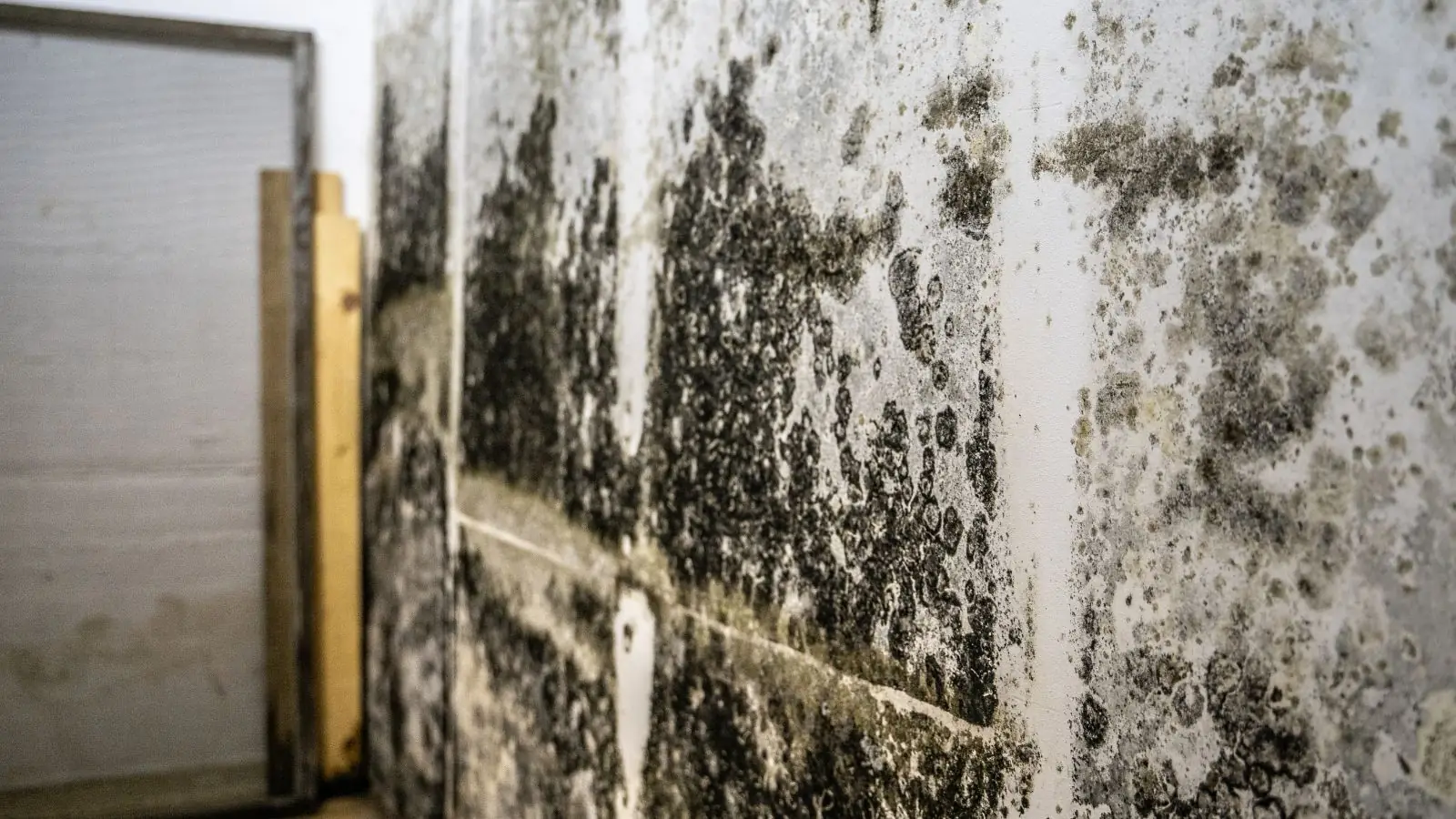
Basement mold control means keeping the moisture sources under a home low enough that mold has nothing to grow on. In Southlake, TX, plenty of houses have no basement at all, so this guide also covers crawl spaces, slab-level rooms and any lower area that stays damp.
Mold needs water more than anything else. Dry out the surfaces and the air around them, and you remove the main reason it shows up. If growth is already visible, our mold remediation team can explain what removal involves, but the habits below are what keep a lower level from becoming a repeat problem.
Start by checking what your house actually has
Many homes in North Texas are built on a slab, with no basement and no crawl space. Others have a crawl space, a walkout lower level, or a finished room set partly below grade. Control starts with knowing which one you own.
A slab house still has low spots, like a utility closet beside a water heater or a garage-adjacent room. Treat any of those the way this guide treats a basement. The rules are the same: find the water, stop it, and let the space dry.
Where moisture usually comes from in lower levels
Water reaches low spaces in a handful of predictable ways. Walking the space with a flashlight after a rain tells you more than any gadget.
A moisture meter shows what your eyes cannot, because drywall, wood framing and concrete can all hold water without looking wet.
- Gutters or downspouts that dump water beside the foundation instead of away from it.
- Soil that slopes toward the house, so rain runs to the wall.
- Plumbing leaks from supply lines, drain lines or a water heater, often hidden behind a wall.
- A clogged HVAC condensate line that drips or overflows near an air handler.
- Cool concrete or ductwork that sweats when warm, humid air touches it.
- Dryer vents or bathroom fans that end inside the space instead of outdoors.
Keeping indoor humidity low without guessing
Humid air is the quiet cause of most lower-level mold. A dehumidifier sized for the room, with a drain line or a bucket you actually empty, helps hold indoor humidity low. A cheap hygrometer on the wall tells you whether it is working.
Air conditioning also pulls moisture out of the air, so a closed-up lower room with no supply vent tends to stay clammy. Ask your HVAC contractor whether that space gets airflow. Do not rely on a dehumidifier to cover for an active leak, because it only treats the air and the leak keeps feeding the walls.
Crawl spaces and slab-level rooms need different habits
A crawl space is a hidden area, so problems go unseen for months. Look at it with a flashlight a couple of times a year for standing water, wet insulation, sagging materials or a musty smell. If it is wet, find out why before anyone covers it up.
On a slab, watch the baseboards, the bottom of drywall and any carpet near exterior walls. Cupped flooring or a damp corner of the closet is an early signal. Our crews use thermal imaging cameras and moisture meters to trace where water has traveled, which is a different job than water mitigation after a sudden leak.
Prevention habits that fit into a normal year
Freeze-and-thaw winters can burst pipes and spring storms can overload gutters, so the routine follows the seasons.
- Clean gutters and extend downspouts away from the foundation before heavy rain season.
- Test sump pumps, if you have one, by pouring water into the pit and watching it discharge.
- Inspect washer hoses and water heater connections at least once a year, and replace brittle ones.
- Keep stored items off the floor on shelves, and leave a gap between boxes and the wall.
- Run bathroom and dryer exhaust fans to the outdoors, never into the lower space.
- Wipe up spills and dry wet carpet or rugs quickly, ideally within a day.
Prevention versus remediation: who does what
People often ask one contractor to do all of it. In practice the work splits into separate jobs, and it helps to know which one you need.
Prevention is mostly owner habits plus drainage or plumbing fixes. Remediation is removing growth that already exists, and in Texas that follows licensing rules.
| Situation | What it calls for | Who usually handles it |
|---|---|---|
| Damp air, no visible growth | Dehumidifier, better airflow, find the moisture source | Homeowner, HVAC contractor |
| Leak from a pipe or appliance | Stop the leak, then dry the structure | Plumber, then a water restoration crew |
| Water entering through walls or floor | Drainage correction or waterproofing | Foundation, drainage or waterproofing contractor |
| Visible growth you want assessed | Inspection and possible sampling | Licensed mold assessor |
| Growth to be removed | Containment, removal, cleaning, drying | Licensed mold remediator |
One honest limit: restoration is not waterproofing. Drying a wet basement and removing damaged material does not stop groundwater from entering again. If the water keeps coming, the fix is a drainage or waterproofing contractor, and we say so rather than overpromise. The same advice holds for homeowners we reach in Grapevine and Keller.
Signs a lower level needs professional eyes
Some signs deserve a call instead of another round of wiping. A persistent musty smell that returns after cleaning points to moisture that is still present somewhere.
Visible staining that spreads, drywall that feels soft, paint that bubbles and peels, or a wet wall after a dry week all suggest a source you have not found yet. Photograph it before you touch it, since photos help any later insurance conversation.
The published ANSI/IICRC S520 standard covers professional mold remediation, and it assumes the moisture source has been found and fixed first. Ask any company whether its crews work to S520 before you agree to a scope.
When to call
Call when water has been sitting for more than a day, when you find a leak you cannot stop, or when growth covers a large area of a wall or floor. Call a plumber first if a supply line is still running, and shut off the main water valve while you wait.
To talk through a lower-level moisture problem with a licensed and insured restoration professional, call Southlake Water Damage Pros at (817) 623-9267. Dispatch runs 24/7, and the scope and price are explained before work starts.
What Texas rules mean for a Southlake homeowner with mold below
The Texas Department of Licensing and Regulation licenses mold assessors and mold remediators. Taking air or surface samples to find out whether mold is present requires a licensed assessor, and samples go to a licensed lab. A licensed remediator then works from a protocol written by a licensed consultant.
The Texas Department of Insurance says mold can begin growing within a day after a leak. Most policies do not cover gradual leaks or seepage, including the mold they cause, while mold that develops on a covered, damaged item is generally covered. Ask your insurer how your own policy treats a lower-level leak, and ask the Southlake building inspections office whether a repair needs a permit.
Frequently asked questions
A dehumidifier helps hold indoor humidity low, but it does not fix a leak or seepage. If water is entering, mold can keep growing on the wet material no matter how dry the air feels.
Find and stop the source first, then use the dehumidifier to keep the space dry afterward.
Yes, for any low or poorly ventilated space. Crawl spaces, slab-level closets, garage-adjacent rooms and utility rooms all collect moisture the same way.
Apply the same checks to those areas, and look closely wherever plumbing or an air handler sits.
A musty smell tells you there is moisture or something decaying nearby, but it does not confirm mold on its own. Only a licensed mold assessor can sample to find out.
The smell is still a good reason to look for a leak and dry the area.
No. Restoration dries, cleans and repairs what water already damaged. Keeping groundwater out is a separate drainage or waterproofing job.
If your problem looks like repeated seepage, our water damage repair team can handle the rebuild after another contractor fixes the entry point.
Ask the Southlake building inspections office at (817) 748-8236. The city does not publish a rule saying whether water damage repair needs a permit, so a quick call settles it before work starts.
For leaks that start in the street or the water main, contact Southlake Water Utilities.
Questions about your own situation? Call and describe what you are seeing.
☎ Call (817) 623-9267